
7-Day Turgen to Jeti-Oguz Trek on the Ak-Suu Transverse
7-Day Turgen to Jeti-Oguz Trek on the Ak-Suu Transverse
Is this trip for me?
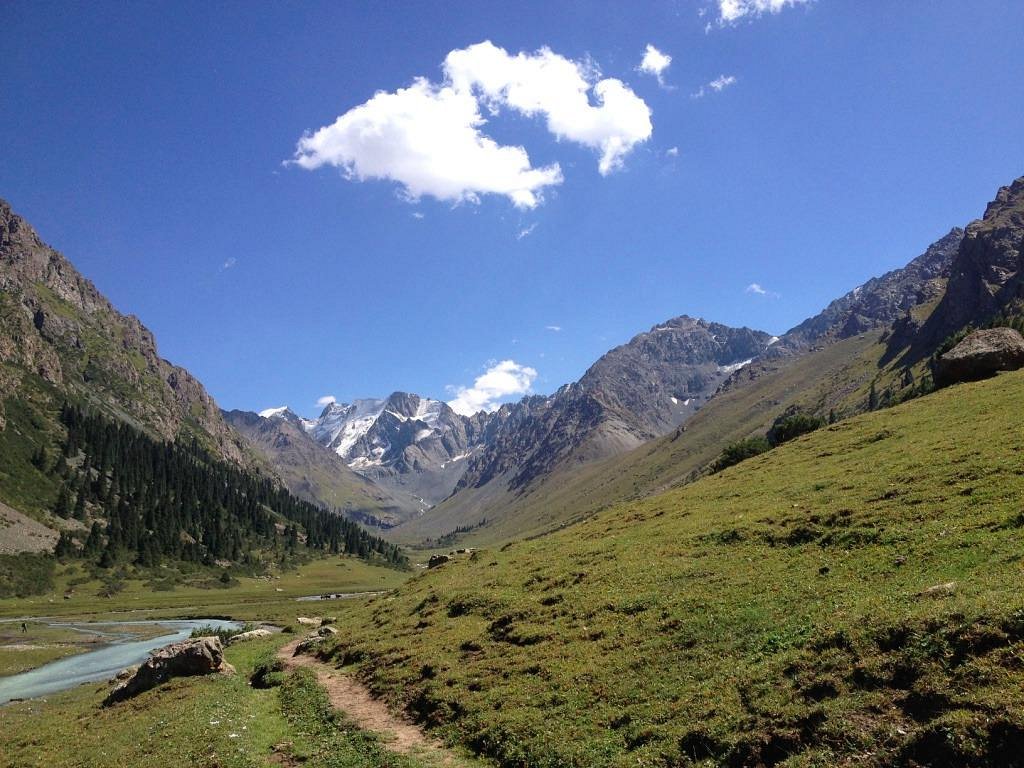
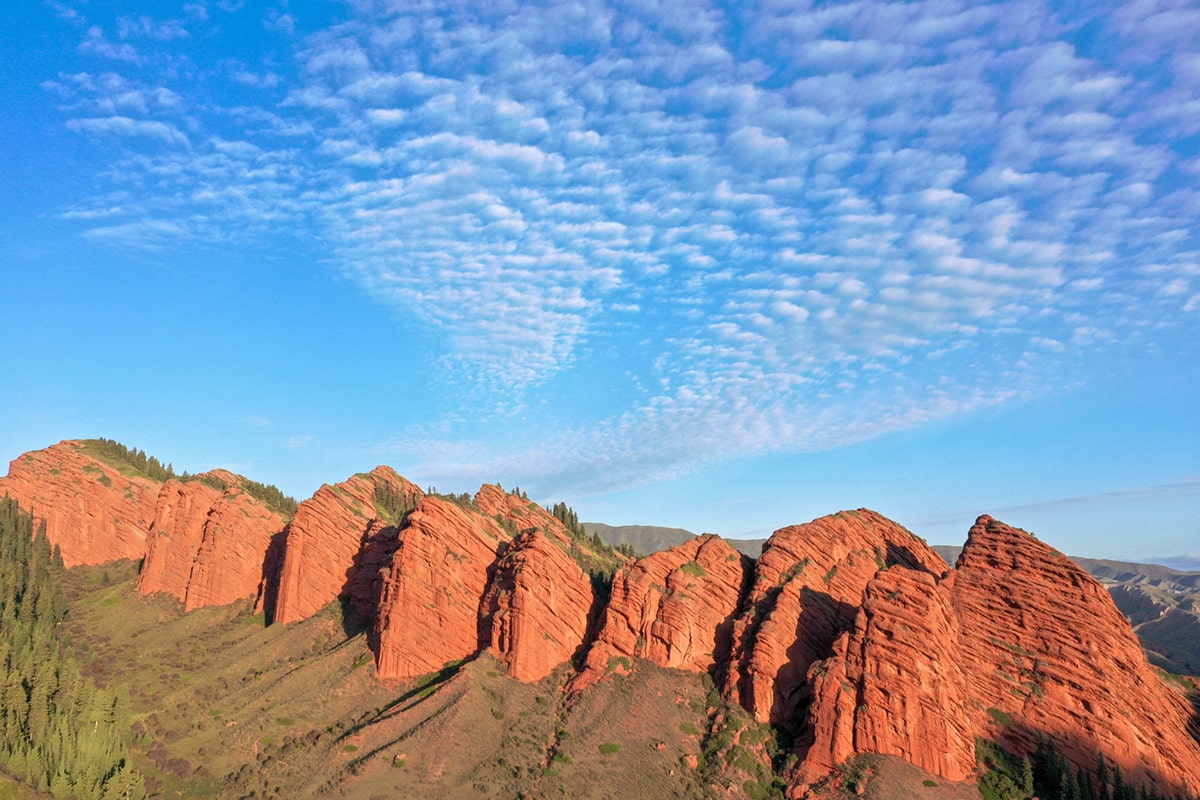
This 7-day trek covers a major section of the full 9-day Ak-Suu Transverse, one of Kyrgyzstan’s most breathtaking long-distance routes. Starting from Boz-Uchuk Lakes and finishing at Jeti-Ögüz, the trail takes you across alpine passes, turquoise lakes, and glaciated valleys. Enjoy authentic yurt and tent stays, soak in Altyn Arashan’s wild hot springs, and marvel at the turquoise beauty of Ala-Kul Lake before ending beneath the red cliffs of Jeti-Ögüz.
📍 Route: Karakol → Boz-Uchuk Lakes → Almaluu Gorge → Altyn Arashan → Ala-Kul → Karakol Gorge → Teleti → Kok-Jaik / Jeti-Ögüz
📅 Duration: 7 days / 6 nights
🏕 Accommodation: Yurts, tents, guesthouses
🍽 Meals: Breakfast, lunch, and dinner included
🏔 Main Highlights
Mountain Passes (6):
• Boz-Uchuk Pass — 3,460 m (Moderate)
• Ailanysh Pass — 3,676 m (Challenging)
• Ortok Pass — 3,650 m (Moderate)
• Ala-Kul North Pass — 3,906 m (Challenging)
• Teleti Pass — 3,792 m (Moderate)
Key Lakes (2):
• Boz-Uchuk Lakes — 3,220 m
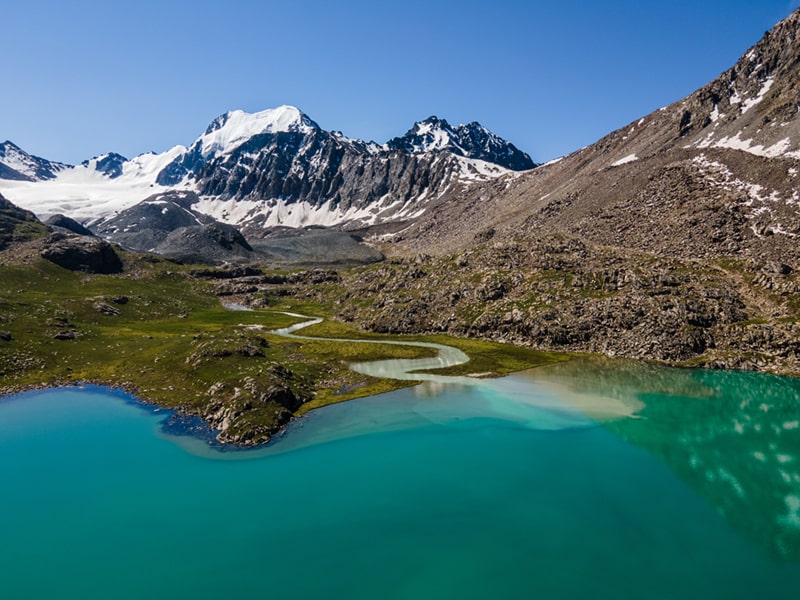
• Ala-Kul Lake — 3,550 m, turquoise alpine lake framed by 5,000+ m peaks
Route Highlights:
• Trek through lush alpine meadows, glaciated valleys, and forested slopes
• Relax in natural hot springs at Altyn Arashan
• Camp beside stunning Ala-Kul Lake
• Cross 6 high mountain passes of the Issyk-Kul region
• End your journey at the iconic red cliffs of Jeti-Ögüz and Broken Heart Rock
Requirements
- Basic physical readiness recommended for high-altitude trekking
- Hiking boots, warm clothing, waterproof layers
- Ability to walk 5–7 hours per day on steep, rocky terrain
- Travel insurance covering trekking activities
Highlights
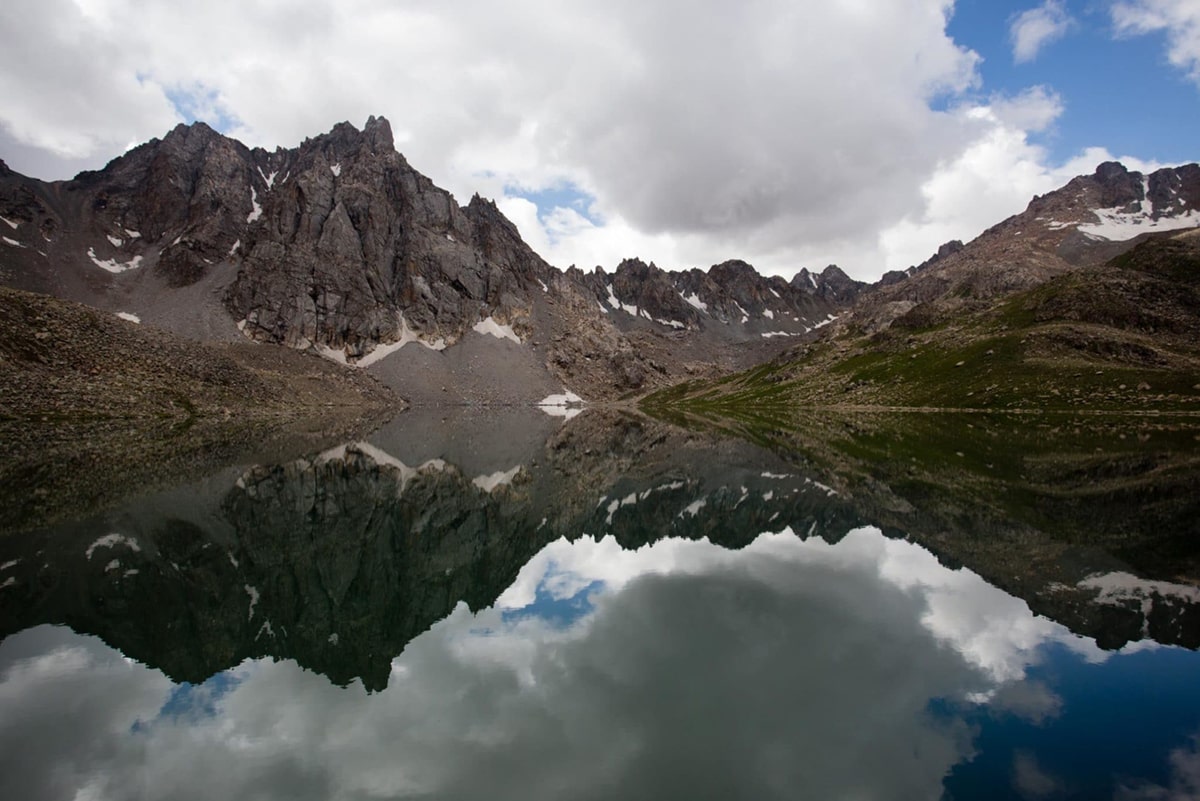
Transfer from Karakol to Turgen Gorge (~1 h). Trek to Boz-Uchuk Ashuu Pass (3,460 m) and visit Boz-Uchuk Lakes for sunset.
Trekking distance: 12 km | Time: 6–7 h
Accommodation: Yurt camp | 🍽 Meals: Lunch, Dinner
Day 2 — Boz-Uchuk Lakes → Almaluu Gorge
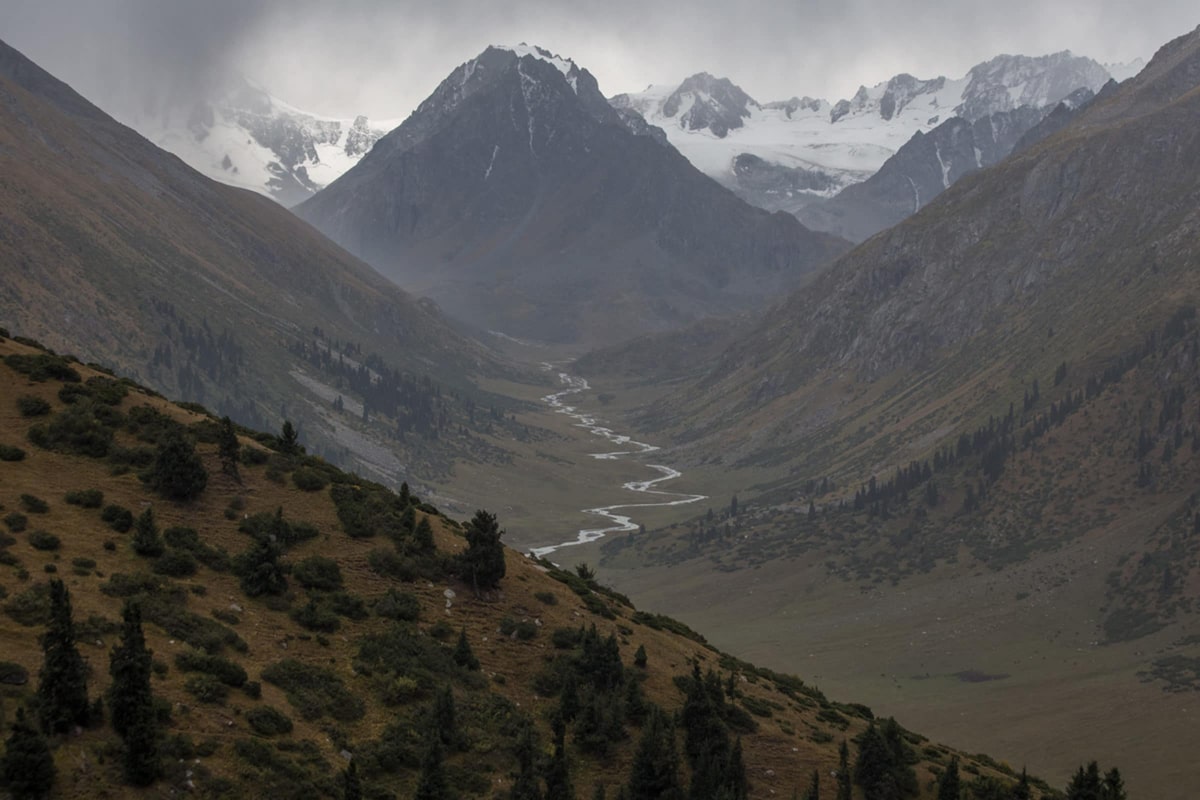
Trek 13 km via scenic ridges overlooking Ak-Suu glacier wall.
Trekking distance: 13 km | Time: 5–6 h
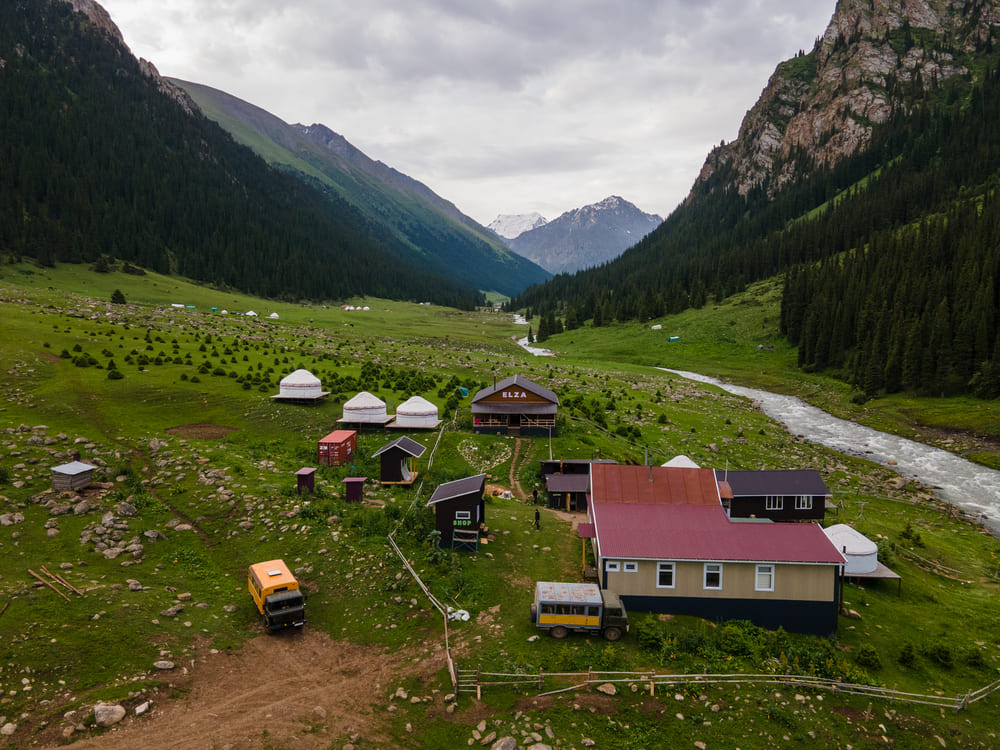
Accommodation: Yurt camp | 🍽 Meals: Breakfast, Lunch, Dinner
No map available.
| People amount in group | Per person in KGS | Group KGS |
| 3 | 690$ | |
| 4 | ||
| 5 | ||
| 6 | ||
| 7 | ||
| 8 | ||
| 9 | ||
| 10 | ||
Included
- All accommodation
- 3 times meal
- English speaking guide
- Entrance fees
- Hot springs
- Sleeping bag, mattress
- Transfers
- Starlink internet
- Extra guide if over 7
Not Included
- All transportation
- Alcohol
- Fly ticket
- WNG tickets
- Insurance
- Horse riding
- All park enty fees
- Assistance
- Horses
- Porters for luggage
- Personal expenses
- Single supplement
- Shower or sauna in camps
Useful information
What to Take With You
Clothing
- Layered Clothing: To adjust to varying temperatures, bring lightweight, breathable layers for daytime activities and warmer layers for cooler evenings.
- Waterproof Jacket and Pants: Essential for protection against rain and wind.
- Comfortable Hiking Boots: Sturdy, well-fitting boots with good ankle support are crucial for trekking and hiking.
- Warm Hat and Gloves: Even in summer, higher altitudes can be chilly.
- Swimwear: For potential swimming opportunities in lakes or hot springs.
Gear
- Daypack: A comfortable backpack for carrying essentials during daily activities.
- Sleeping Bag: While provided at camps, you may prefer your own for added comfort.
- Headlamp or Flashlight: For use in yurts, tents, and during night activities.
- Reusable Water Bottle: Stay hydrated and reduce plastic waste.
Personal Items
- Sunscreen and Lip Balm: High SPF to protect against strong mountain sun.
- Sunglasses: With UV protection.
- Personal Medications: Ensure you have enough for the entire trip.
- Toiletries: Biodegradable soap, toothpaste, toothbrush, and other personal hygiene items.
Documents and Money
- Passport and Visa (if required): Ensure your passport is valid for at least six months beyond your travel dates.
- Travel Insurance: Including coverage for trekking and horseback riding.
Miscellaneous
- Camera and Batteries: To capture the stunning landscapes and memorable moments.
- Power Bank: To charge your electronic devices when outlets are unavailable.
- Notebook and Pen: For journaling your experiences or jotting down important information.