
1 Day Ala-Archa National Park Tour from Bishkek
1 Day Ala-Archa National Park Tour from Bishkek
Is this trip for me?
Overview
This one-day adventure takes you from Bishkek to the spectacular mountain landscapes of Ala-Archa National Park, located in the northern ranges of the Tian Shan. Just 40 km from the city, Ala-Archa offers a perfect opportunity to experience authentic alpine nature within a short travel time.
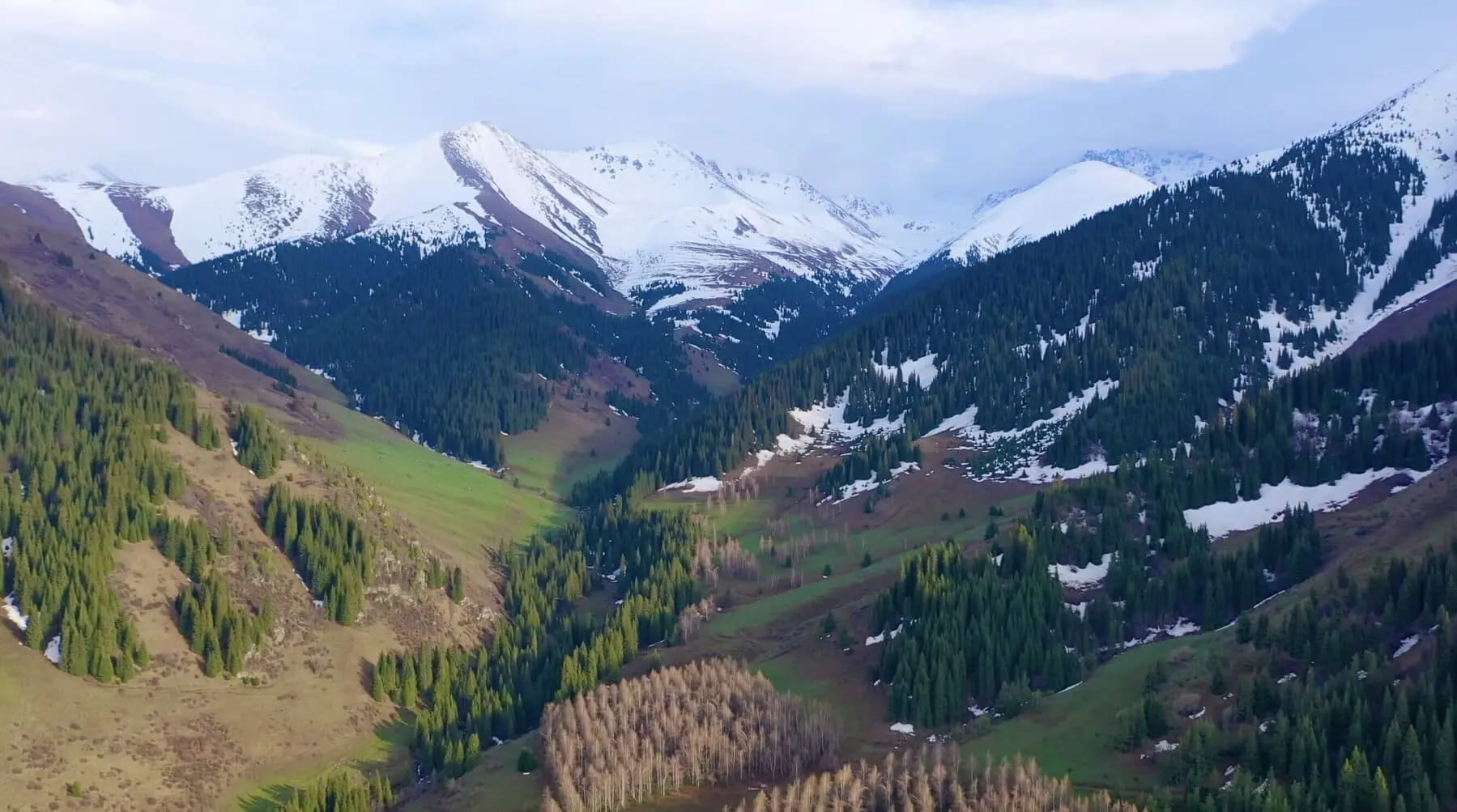
During the tour, you will explore scenic mountain trails surrounded by juniper forests, alpine meadows, and fast-flowing rivers fed by glaciers. The park is known for its dramatic peaks, clear mountain air, and diverse wildlife, making it one of the most popular outdoor destinations in Kyrgyzstan.
The hike is suitable for beginners and active travelers, with routes adapted to weather conditions and physical ability. Depending on the chosen trail, you may visit a mountain waterfall or reach panoramic viewpoints with impressive views of snow-capped peaks and glaciers.
This tour is ideal for travelers who want to experience the natural beauty of Kyrgyzstan in a single day. It combines light adventure, relaxation in nature, and easy access from Bishkek, making it perfect for short stays and first-time visitors.
Highlights
Bishkek → Ala-Archa National Park → Bishkek
Morning departure from Bishkek to Ala-Archa National Park. The drive takes about 40–50 minutes (40 km) through scenic mountain landscapes of the Tian Shan.
Upon arrival, you will start an easy to moderate hike along mountain trails surrounded by alpine forests and rivers. Depending on weather and group preference, the route may include a walk to a mountain waterfall or a scenic viewpoint.
Enjoy a picnic or lunch break in the fresh mountain air with beautiful views of peaks and glaciers. After the hike, return to Bishkek in the afternoon.
Driving time: ~1.5 hours total
Hiking time: 3–5 hours
Distance: 5–10 km
Altitude: 1600–2500 m
No map available.
Useful information
What to Take With You
Clothing
- Layered Clothing: To adjust to varying temperatures, bring lightweight, breathable layers for daytime activities and warmer layers for cooler evenings.
- Waterproof Jacket and Pants: Essential for protection against rain and wind.
- Comfortable Hiking Boots: Sturdy, well-fitting boots with good ankle support are crucial for trekking and hiking.
- Warm Hat and Gloves: Even in summer, higher altitudes can be chilly.
- Swimwear: For potential swimming opportunities in lakes or hot springs.
Gear
- Daypack: A comfortable backpack for carrying essentials during daily activities.
- Sleeping Bag: While provided at camps, you may prefer your own for added comfort.
- Headlamp or Flashlight: For use in yurts, tents, and during night activities.
- Reusable Water Bottle: Stay hydrated and reduce plastic waste.
Personal Items
- Sunscreen and Lip Balm: High SPF to protect against strong mountain sun.
- Sunglasses: With UV protection.
- Personal Medications: Ensure you have enough for the entire trip.
- Toiletries: Biodegradable soap, toothpaste, toothbrush, and other personal hygiene items.
Documents and Money
- Passport and Visa (if required): Ensure your passport is valid for at least six months beyond your travel dates.
- Travel Insurance: Including coverage for trekking and horseback riding.
Miscellaneous
- Camera and Batteries: To capture the stunning landscapes and memorable moments.
- Power Bank: To charge your electronic devices when outlets are unavailable.
- Notebook and Pen: For journaling your experiences or jotting down important information.